Try these videos to get started. Must be on campus or login with your COM account for off campus access.
Want more on finding media? Try Articles & Media.
-
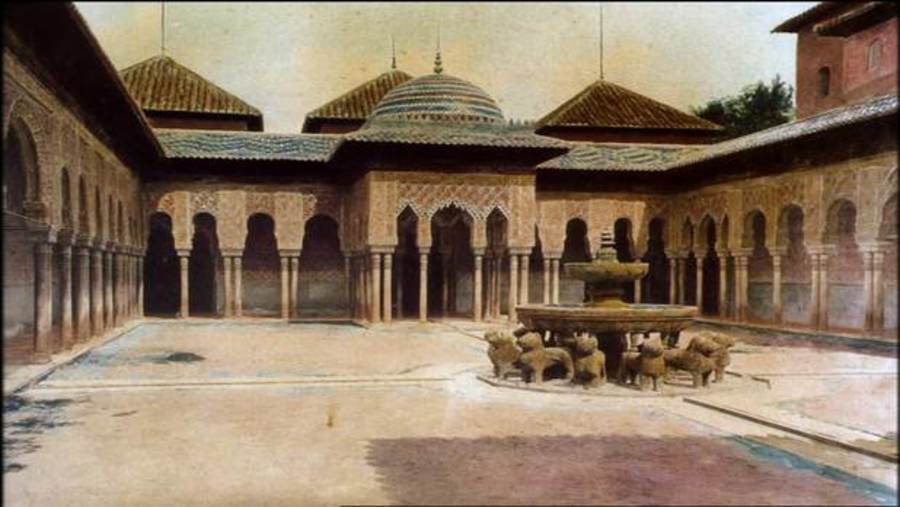
The Alhambra, Granada: Architectures—Achievements in Modern Architecture (26:01)
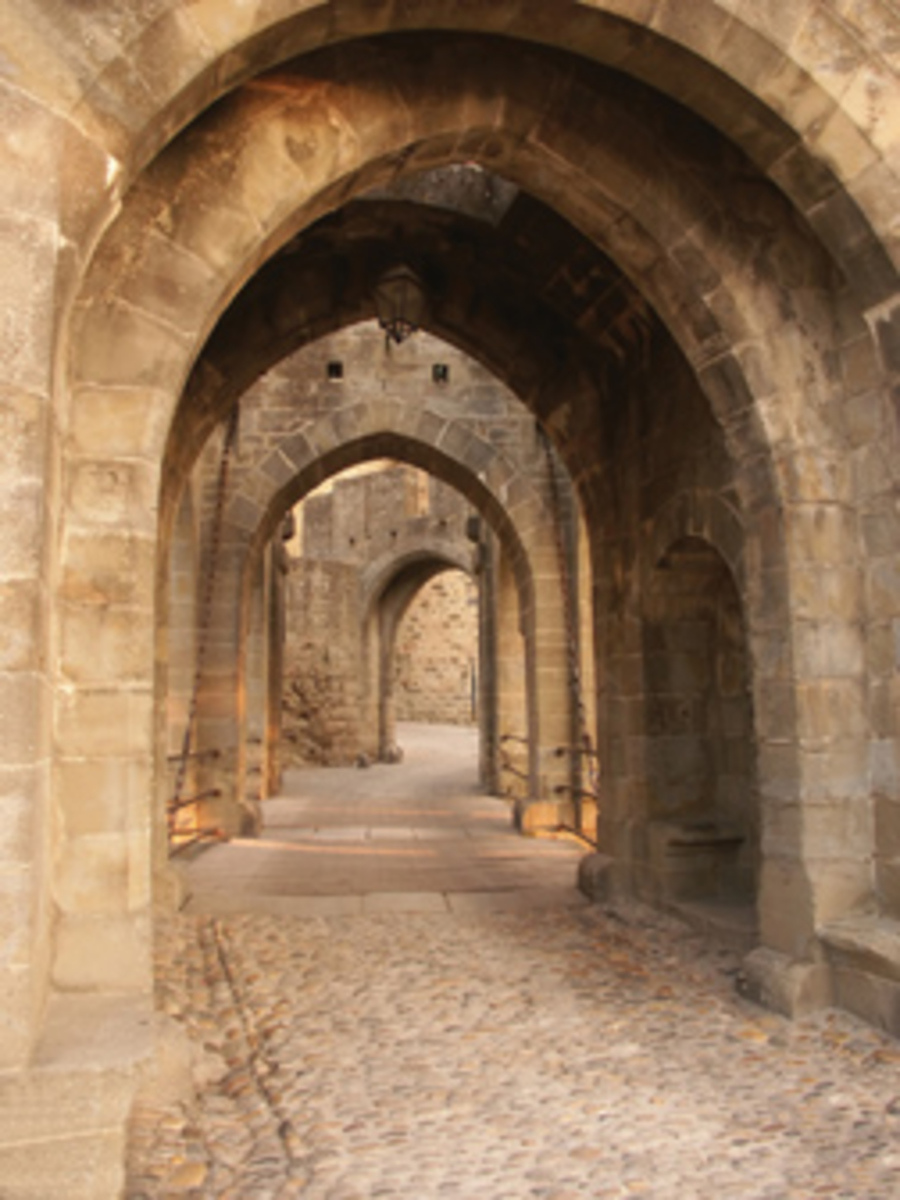
The Alhambra is a palace—or rather a group of two palaces—built for two consecutive 14th century caliphs, Yusuf 1st (1333-1353) and Mohammed V (1353-1391). The two palaces are hemmed into an older fortress (10th century), crowning a 700 meter-long rocky peak. Here, refinement is everywhere—the porcelain mosaics on the floor, the plasterwork sculpted on the walls, the woodwork sculpted and painted on the ceiling-—everything is set out in geometric, floral, or epigraphic patterns. Overall this produces a complex yet harmonious decor. Understanding this division of space, means understanding an architecture that develops from the inside, and not from the facade, an architecture that uses geometry to hide the plan and not to display it.
-
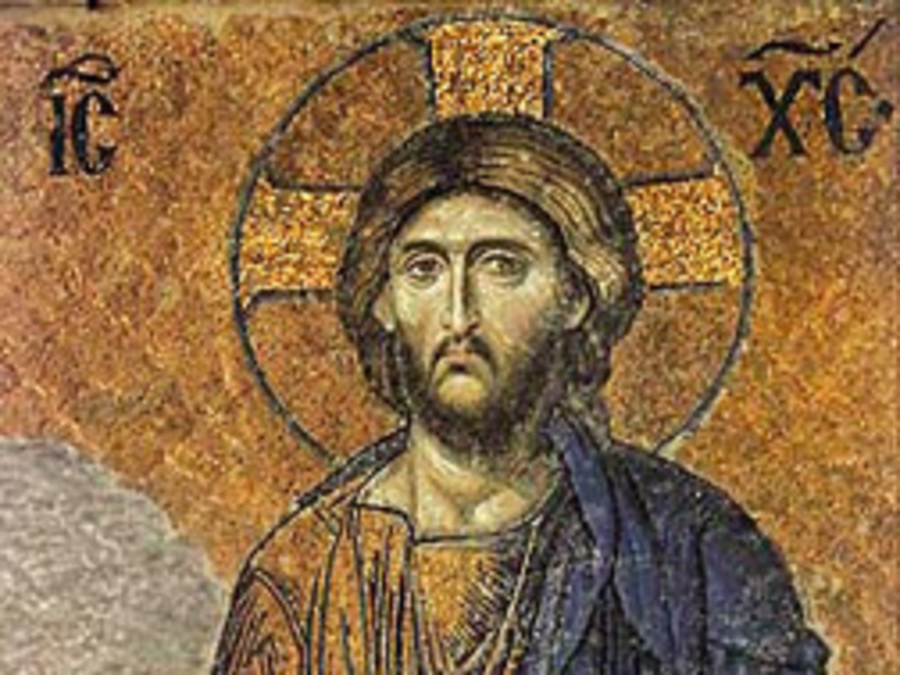
The Glory of Byzantine Art (12:14)
Byzantium: spanning eleven centuries and a major portion of the Old World’s landscape, its name stands for power and affluence. In this program, noted journalist Paul Solman discusses a magnificent display of Byzantine art garnered from 117 collections with Harvard professor and art expert Ioli Kalavrezou. Paintings, mosaics, carvings, and ceramics facilitate an exploration of Byzantine iconography as it evolved from Hellenistic and Roman themes to abstractions that go beyond classical representation.
-
Illuminations: The Private Life of Kings Series
Dr Janina Ramirez unlocks the secrets of illuminated manuscripts that were custom-made for kings and explores the medieval world they reveal. Starting with the first Anglo-Saxon rulers to create a united England, she encounters books in the British Library's Royal manuscripts collection which are over a thousand years old. She shows how these manuscripts united the kingdom in times of plague, warfare, and rebellion and in the final episode, Janina looks at the manuscripts of the courts of the Tudors. She hears music written for Henry VIII, which went unperformed for centuries, and reads love notes between the king and Anne Boleyn, written in the margins of a prayer book. A BBC Production. 3-part series, 60 minutes each
-
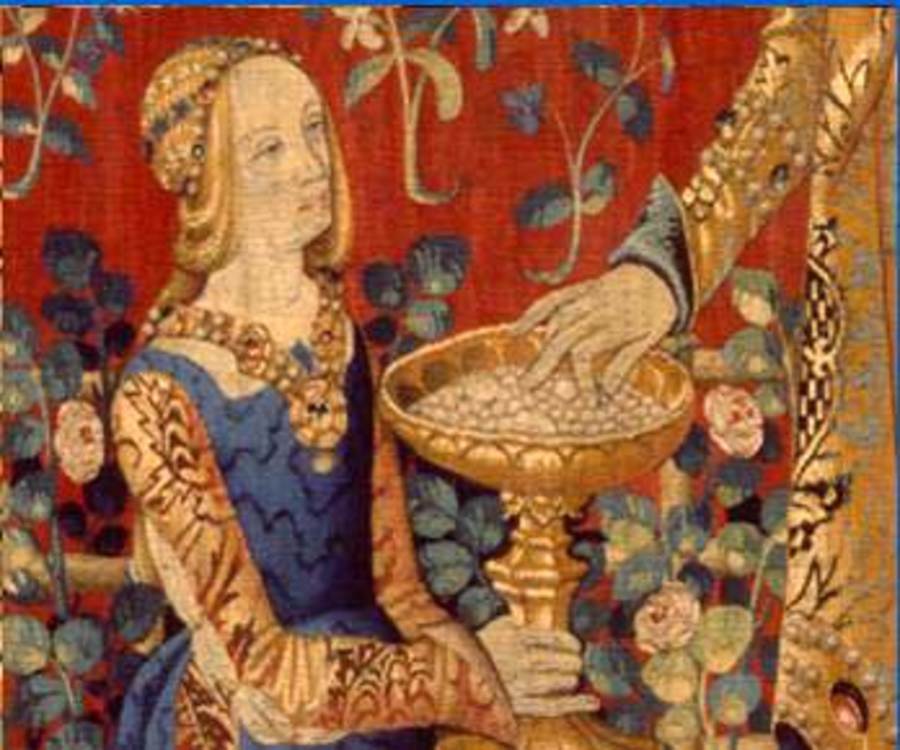
The Lady and the Unicorn: Making Sense of the Senses (32:41)
The National Museum of the Middle Ages in Paris is the home of The Lady and the Unicorn, the exotic set of six medieval tapestries that illustrates the five senses—and the Lady’s deepest desire. This program seeks to unravel the mysteries woven into these enchanting wall hangings as it explores their history and symbolism.
-
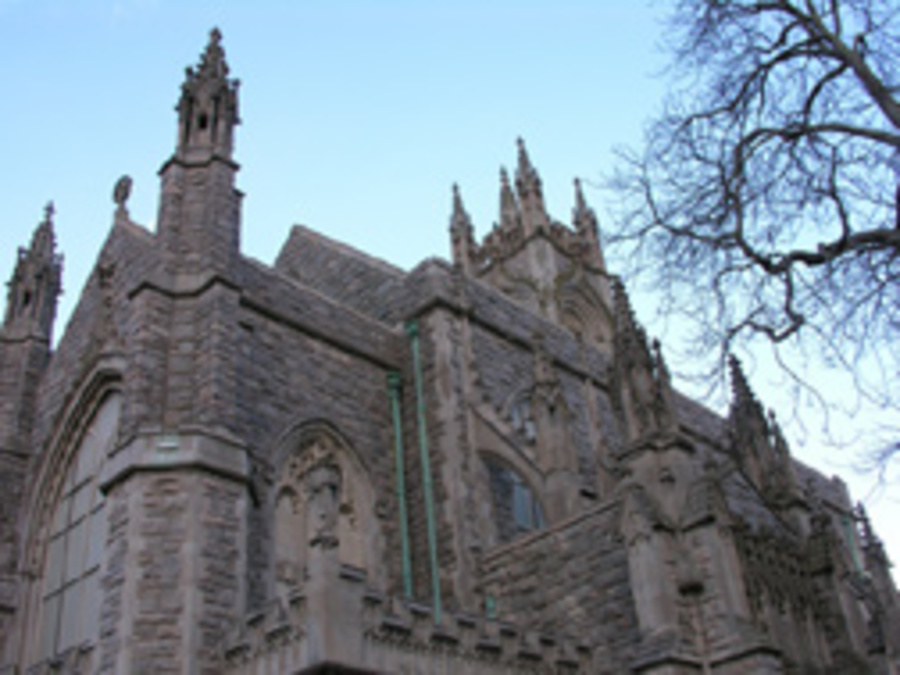
Late Gothic Art and Architecture: England, 1400-1547 (47:17)
This program beautifully captures the transition from the Middle Ages to the Renaissance through the Late Gothic art of England and its Perpendicular architecture. Spanning the reigns of Henry IV to Henry VIII—the era of the Hundred Years’ War, the Wars of the Roses, and the early Tudors—artists and artisans in England produced exquisite jewelry, glorious devotional sculptures and images, dazzling illuminated manuscripts, and monumental structures. Leading historians reinterpret the period, with revealing discussions of patronage, England’s artistic relations with the Continent, and the fundamental importance of religion to society of that time.
-
The Moorish South: Art in Muslim and Christian Spain from 711 to 1492 (51:09)
Under Muslim rule, Spain became the most advanced, wealthy, and populous country in Europe, with great leaps forward in art, architecture, and many other fields. In this program, art historian Andrew Graham-Dixon travels from Córdoba to Seville and on to Granada as he tells the story of art in Islamic and medieval Spain. Richly designed and decorated buildings such as the Great Mosque in Córdoba, the Alcazar in Seville, and the Alhambra in Granada are examined, along with ornate gardens, other objects of art, and even culinary innovations. All of these striking visual examples help viewers understand the debt which both modern Spain and modern Europe owe to Moorish Spain.
-
Scribes, Scholars, and Saints: The Art of Celtic Manuscripts Series
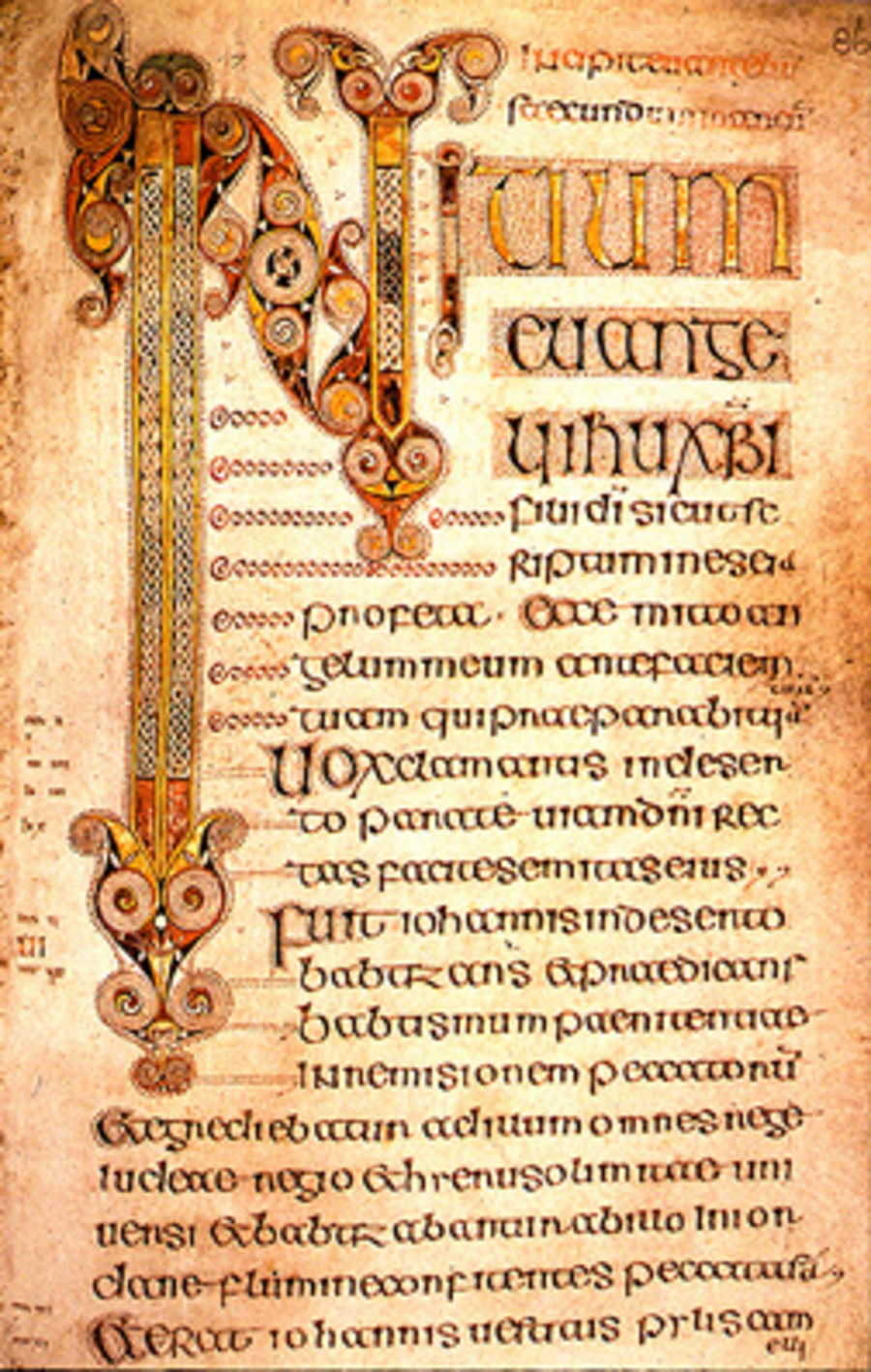
This series covers some of the most magnificent and valuable Celtic Gospel manuscripts, all over a thousand years old. The programs explain why the books were written, when and over how long a period of time, and how the complex design and delicate colors were executed. 3-part series, 26 minutes each.
 Try these videos to get started. Must be on campus or login with your COM account for off campus access.