Try these videos to get started. Must be on campus or login with your COM account for off campus access.
Want more on finding media? Try Articles & Media.
-
The Art of China Series
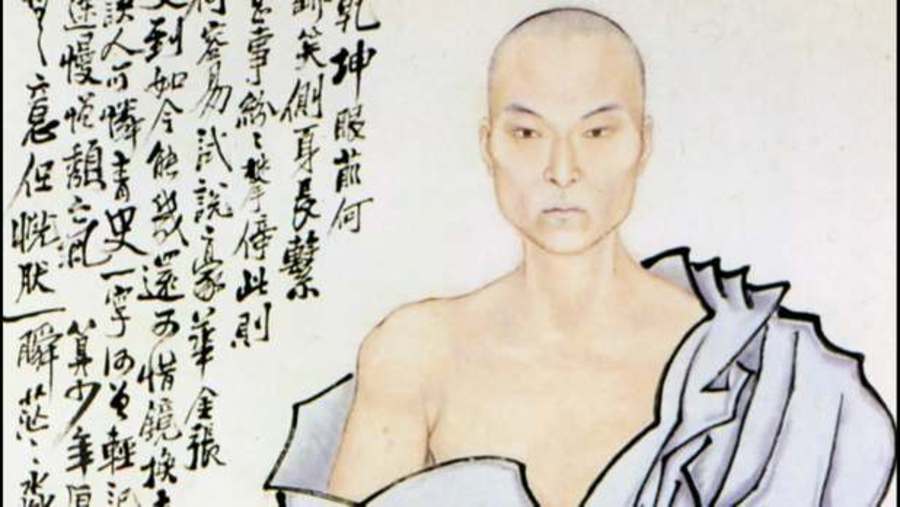
Chinese art is increasingly making itself felt across the world, but while it has long fascinated people, it still remains little understood in Western culture. Now, in this landmark series, Andrew Graham-Dixon sets out to discover what makes Chinese art and sculpture so intriguing and unique. With access to the very best of China’s art over 3000 years, Andrew explores the historical context in which the paintings, sculptures and other pieces were created so that we can better appreciate them. The series takes Andrew on an extraordinary journey around China, visiting stunning locations that inspired Chinese artists over the centuries as he assesses Chinese art from 1000 BC to the present day. A BBC Production. 3-part series, 47-52 minutes each.
-
Beijing 798: The Chinese Avant-Garde (01:32:28)
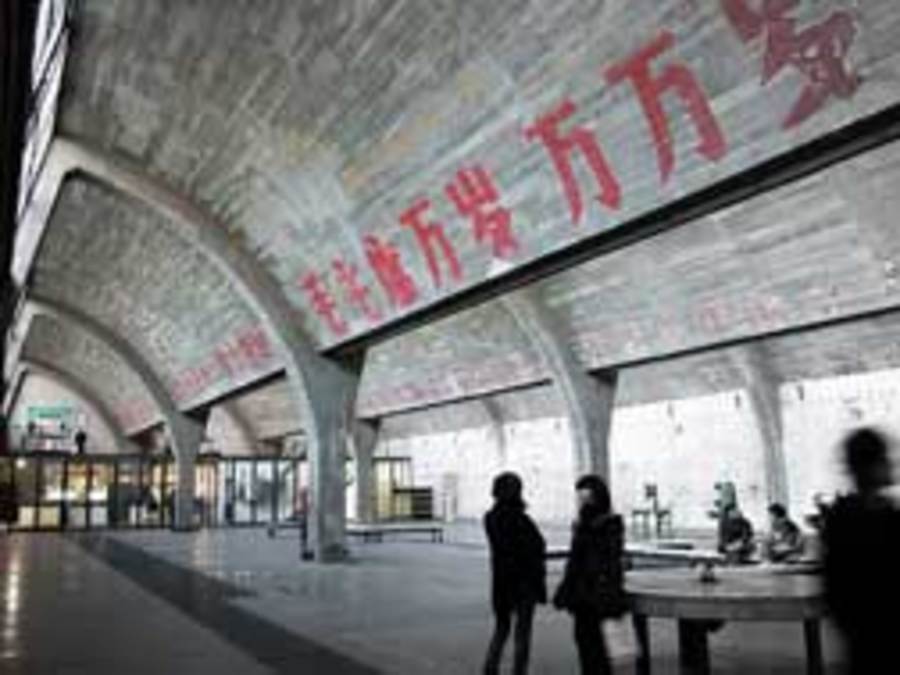
Revamped during the 1950s, the former ordnance plant now known as Factory 798 has become China’s hub of contemporary art. This program profiles Chinese painters and sculptors who work at 798 and have helped turn Beijing into one of the world’s artistic capitals. Interviewees include painter Yang Shaobin, sculptor Wang Shugang, and photography duo Rong Rong and Inri, as well as critics and gallery owners who underscore the creative freedom that emerged following the end of the Cultural Revolution. A wealth of archival material is featured, including footage from the Fang Lijun exhibition in Changsha, China, as well as background information on the DIAF festival that saved the complex from demolition.
-
Discovering the Art of Korea (58:47)
A definitive survey of Korean art and culture, this program spans the ages from 3000 B.C. to the 20th century. Views of burial mounds, temples, ancient cities, and other historical sites are interwoven with footage of recovered art treasures such as gold crowns and jewelry, celadon pottery, landscape and genre paintings, and Buddhist relics including the gilt bronze Maitreya (Buddha of the Future). The program also shows art objects from the National Museum of Korea exhibition "5000 years of Korean Art."
-
Hidden Treasures of Australian Art (59:26)
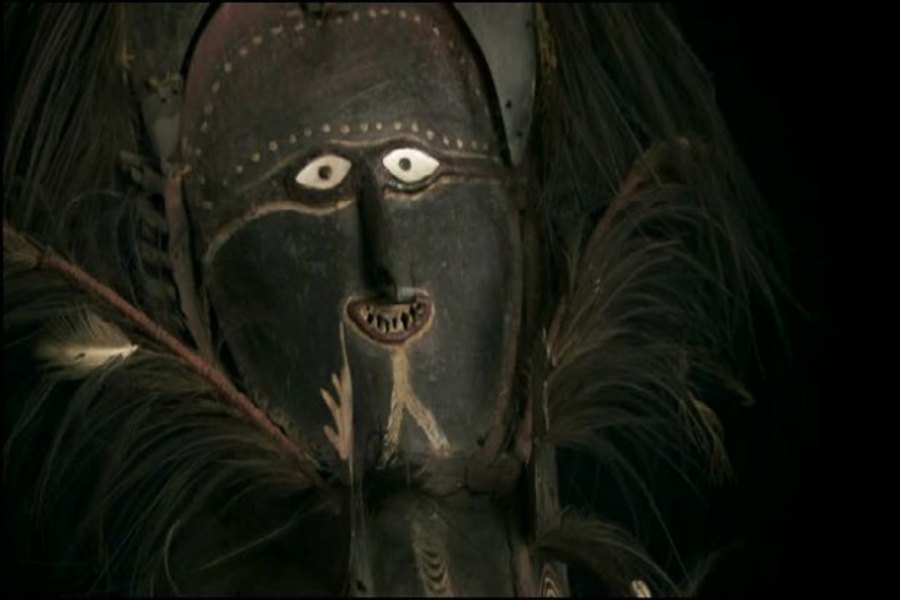
Crossing the strait between Papua New Guinea and the northernmost shores of Queensland, Australia, program host Griff Rhys Jones meets a culture that was for centuries cut off from the rest of the world. The intriguing, stunningly creative objects produced by Torres Strait Islander artists are infused with mystery and a sense of magic—indeed, their perceived power is so closely guarded that many in the community are reluctant to have them seen by outsiders. To understand what he’s encountering and to put it in perspective, Jones must address some questions as objectively as he can. What makes these artworks so striking and so influential? Why are some islanders so reluctant to give up their secrets? And is it possible to explain the enigma of one particularly strange and compelling mask?
-
Hidden Treasures of Indian Art (58:41)
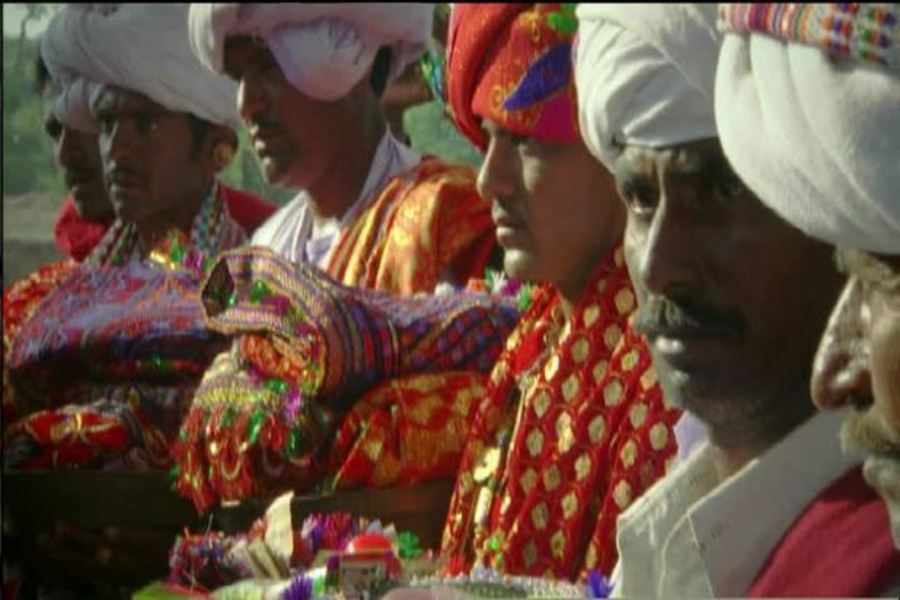
In this program, host Griff Rhys Jones goes to India in search of exquisite, traditionally made textiles. Can he solve the mystery of an extraordinary Indian floor cloth kept in England for over 300 years? Who made it, and does the skill with which the fabric was created still exist? In the state of Gujarat, renowned throughout history for textiles, Jones goes off the beaten track to the towns and villages of the North West plains and discovers how centuries-old printing, dyeing, and embroidering techniques are still cornerstones in a way of life. Then it’s on to the heart of one of India’s most ethnically distinct and tradition-bound societies, the Rabari, famed for astonishing embroidery. Here, Jones is confronted with another complex question: can the custom of spending decades making dowry gifts survive in today’s mass-produced, instant-gratification world?
-
Hokusai: The Suspended Threat (30:59)
This program takes a deep look into Hokusai’s The Great Wave, interpreting the story it tells and scrutinizing formal aspects ranging from the perfect spiral that underpins the wave, to the spiritual balance between water and sky, to the fractal-like nature of the wavelets. Footage of artisans at work demonstrates how plates for The Great Wave were cut, inked, and successively impressed onto paper in vivid colors. Additional examples of Hokusai’s work illustrate his use of geometric elements to frame key parts of scenes, his application of perspective, how he played with the plasticity of nature, and his foray into erotic images.
-
Persian Miniature: The Gardens of Paradise (30:58)
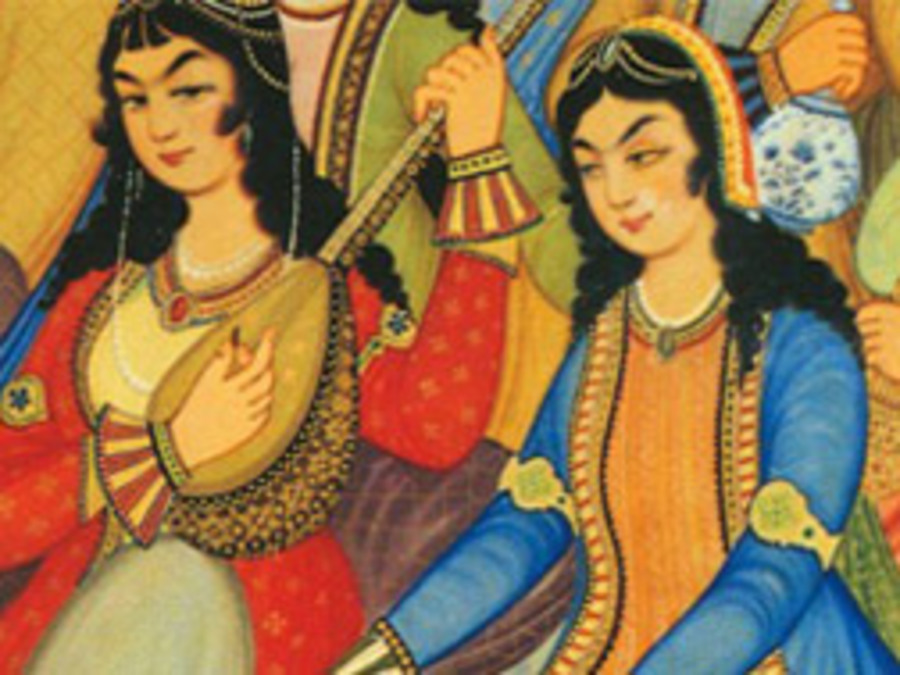
Filmed at the Bibliothèque Nationale, this program spotlights an outstanding representative work of Persian miniatures: Five Poems by the 12th-century poet Nezâmi, as interpreted in the 17th century by Haydar Qoli Naqqâsh, a painter of the Safavide School, and calligrapher Abd al Djabbâr. A marriage of artistic and poetic languages, this masterpiece serves as a dual entry point into Persian art and culture.
 Try these videos to get started. Must be on campus or login with your COM account for off campus access.